AGRITECH Transnational Project Meeting held in Cyprus
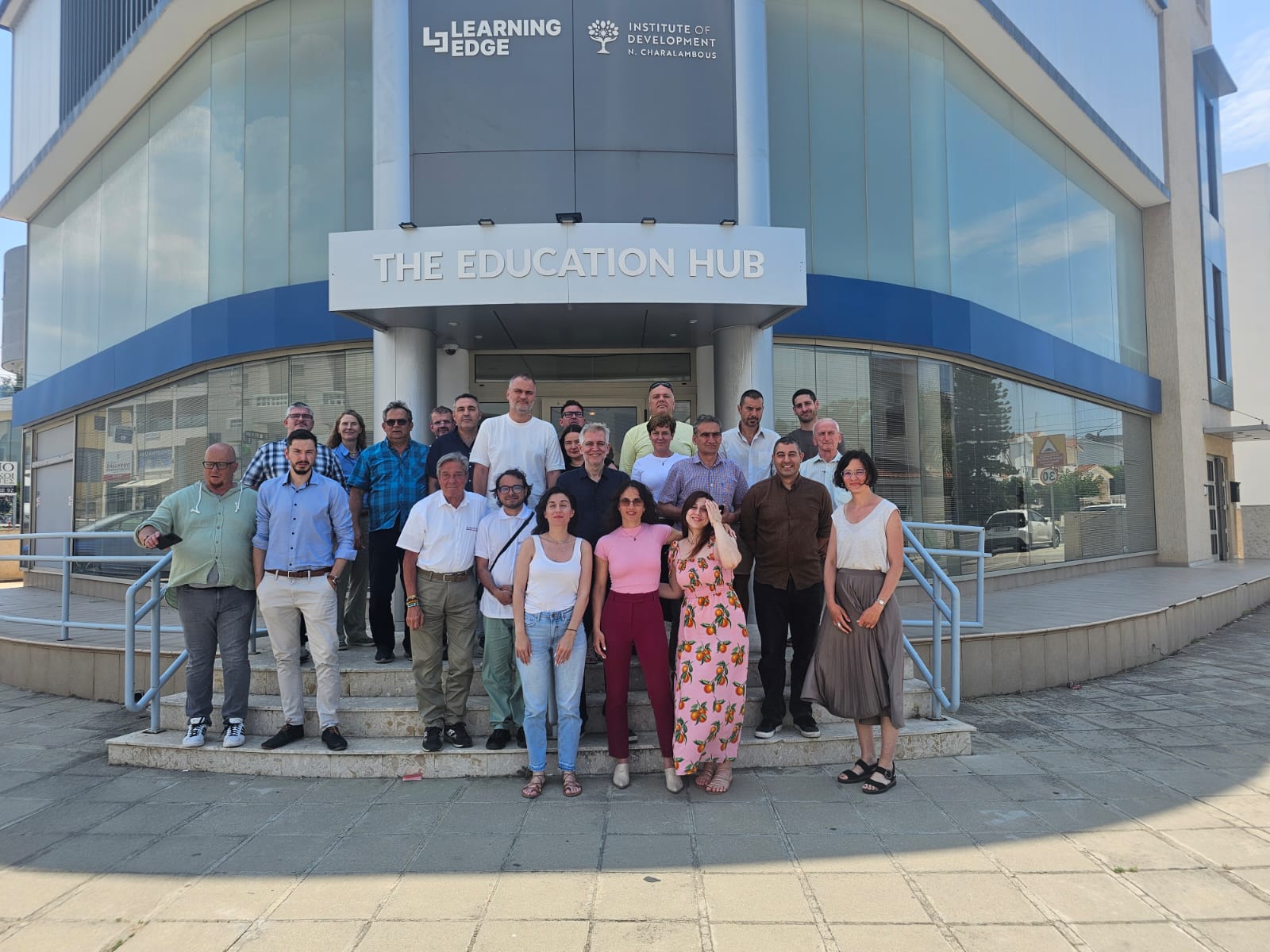
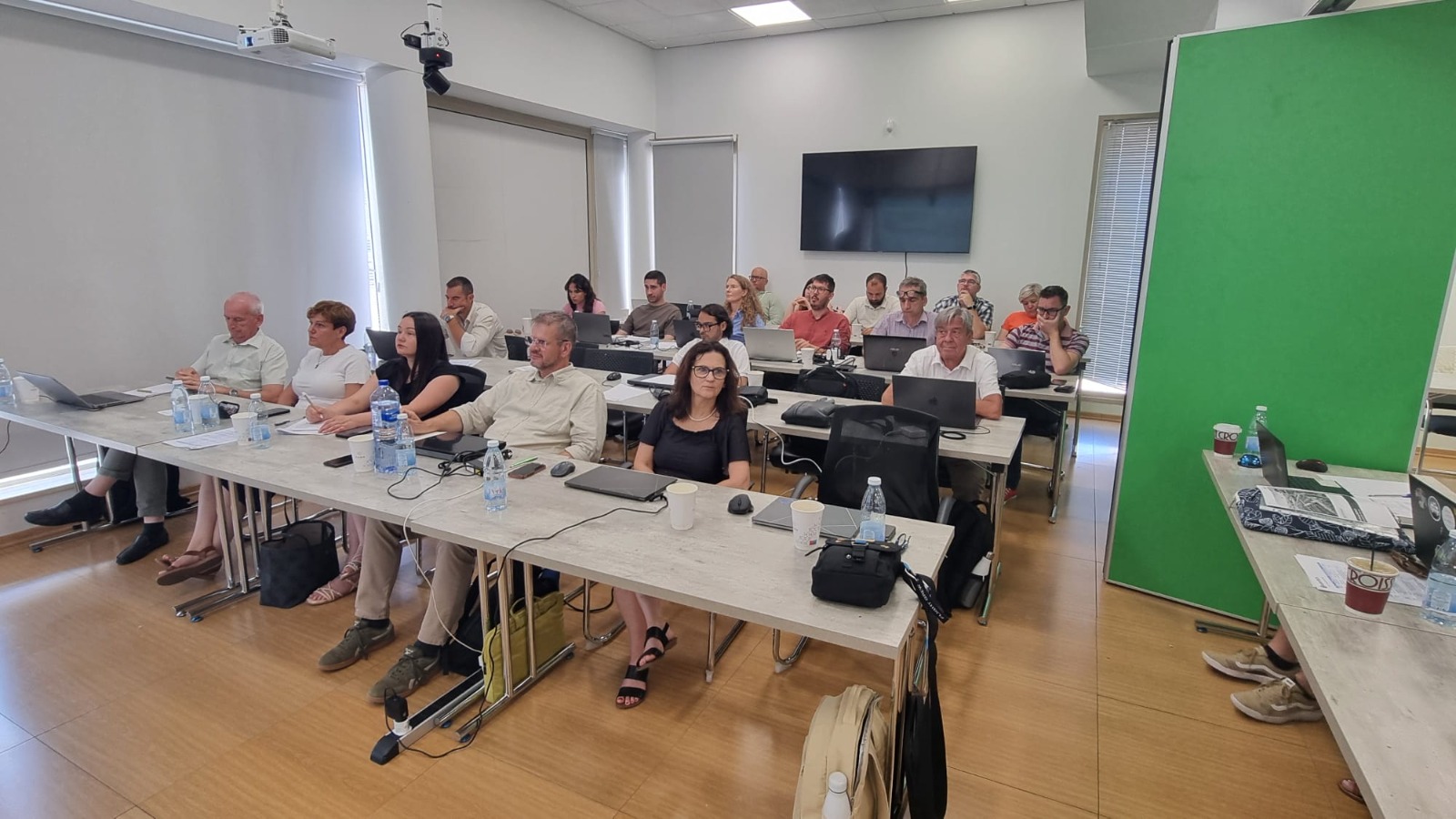
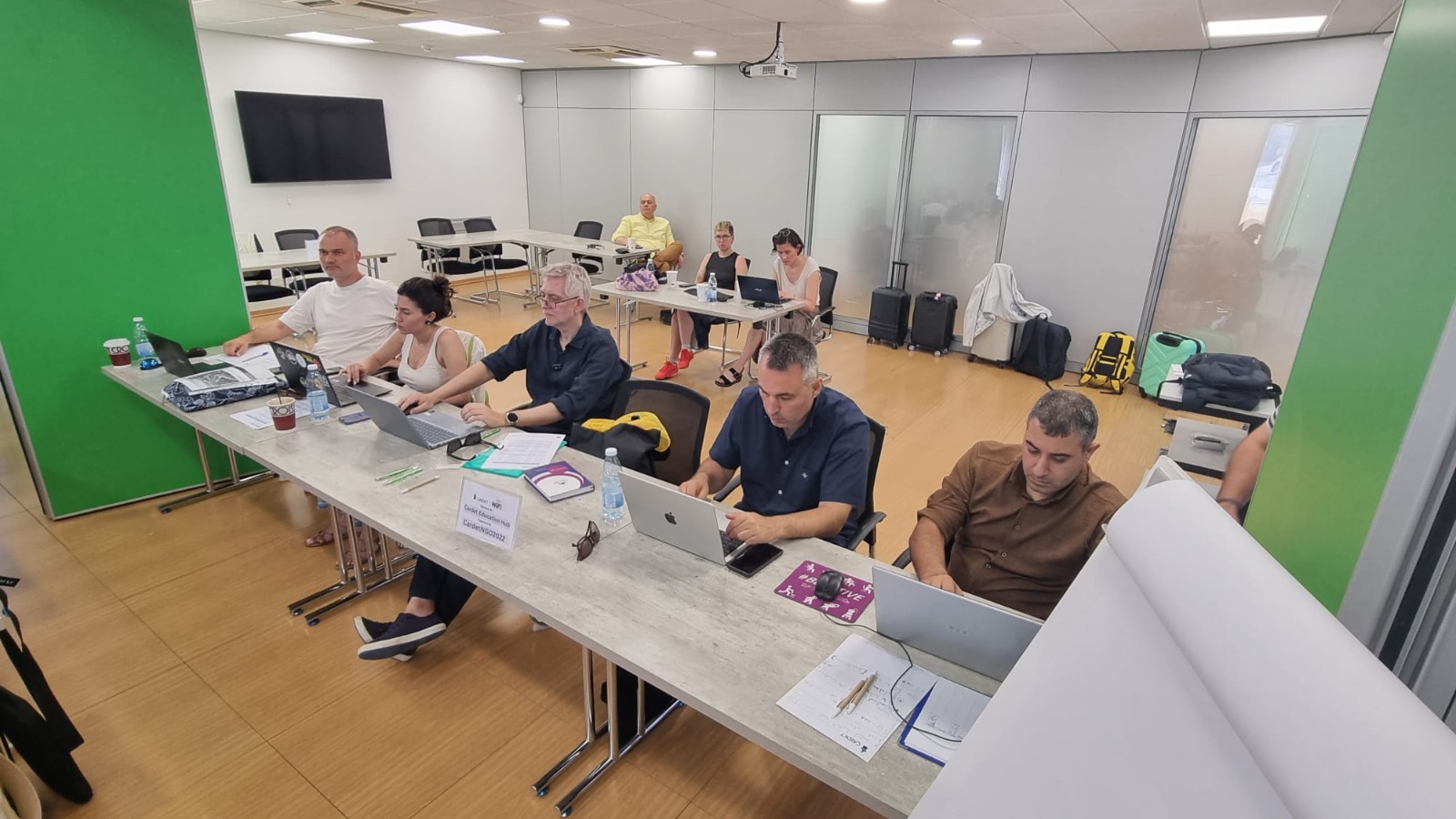
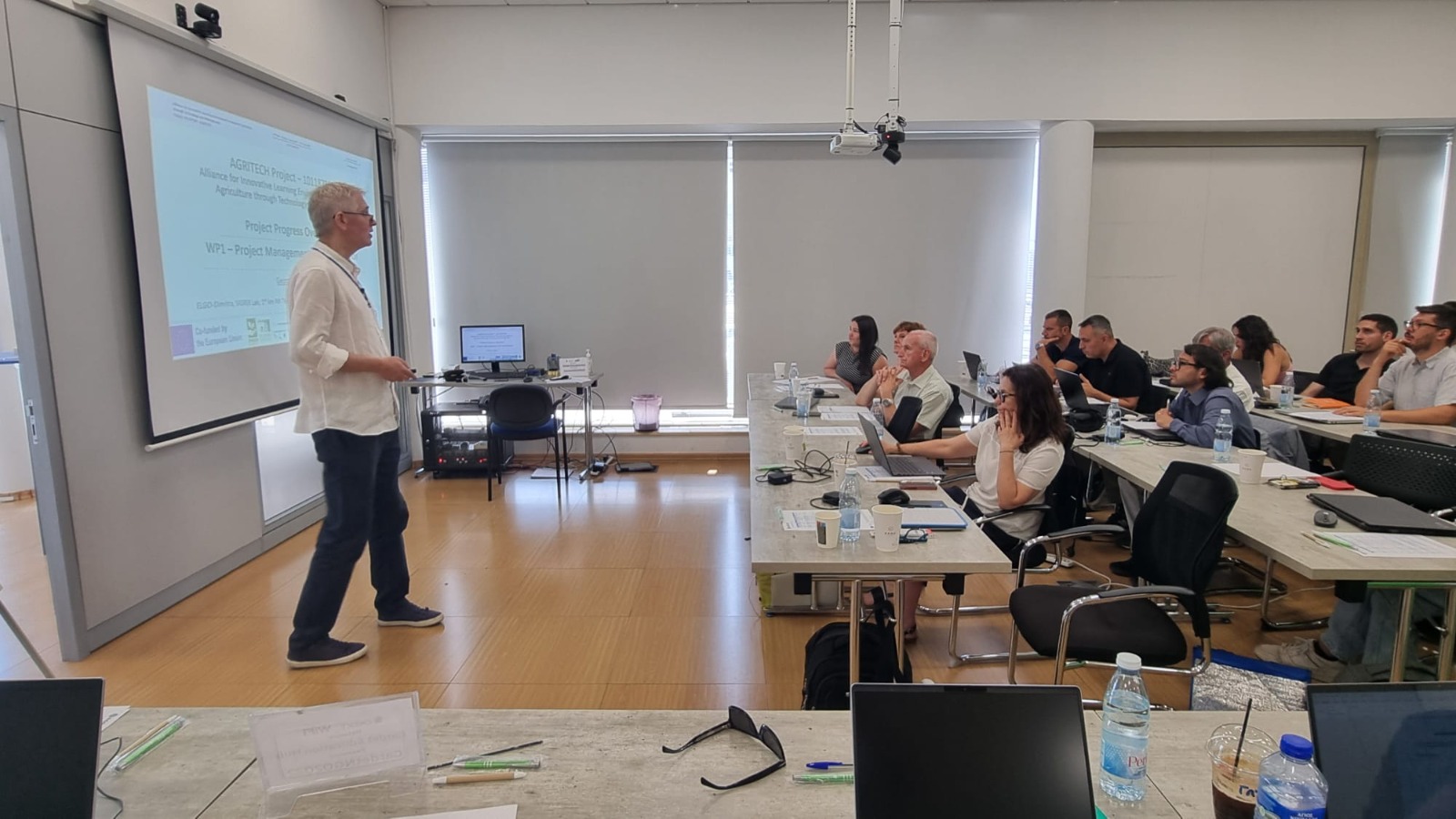
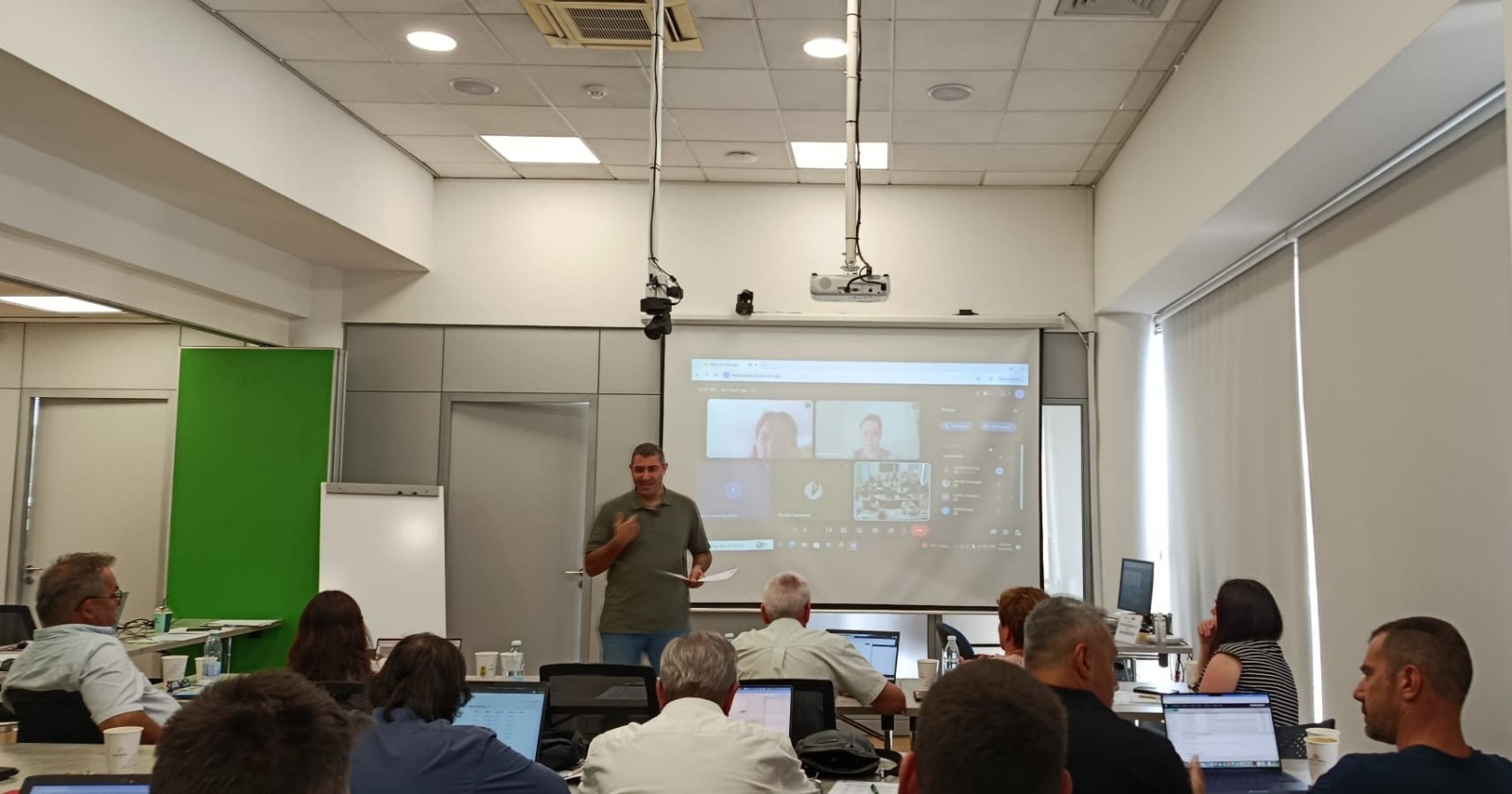
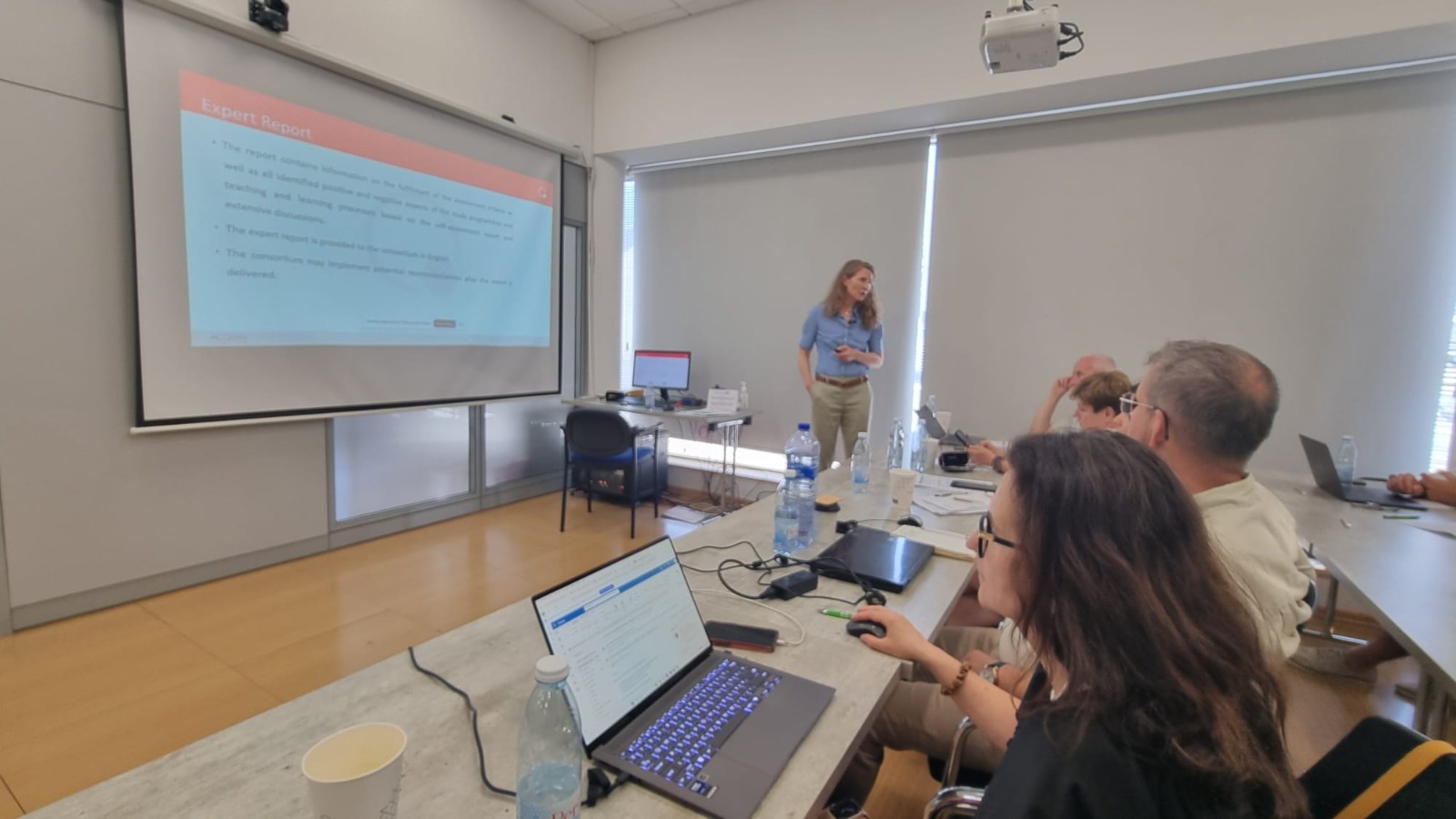
AGRITECH consortium held its Transnational Project Meeting in Cyprus from 10 to 12 June 2026, in hybrid format. The meeting brought partners together to review project progress, assess current achievements, identify remaining gaps, and agree on the next workplan leading to the Interim Report.
The first two days were dedicated to a structured inventory of project implementation. Partners reviewed the overall project work packages, timeline, milestones achieved, pending deliverables, reporting needs, and the practical steps required for the next implementation period. The meeting created space for both progress presentation and operational discussion, with a clear focus on what has already been realised but much more on what still needs to be completed.
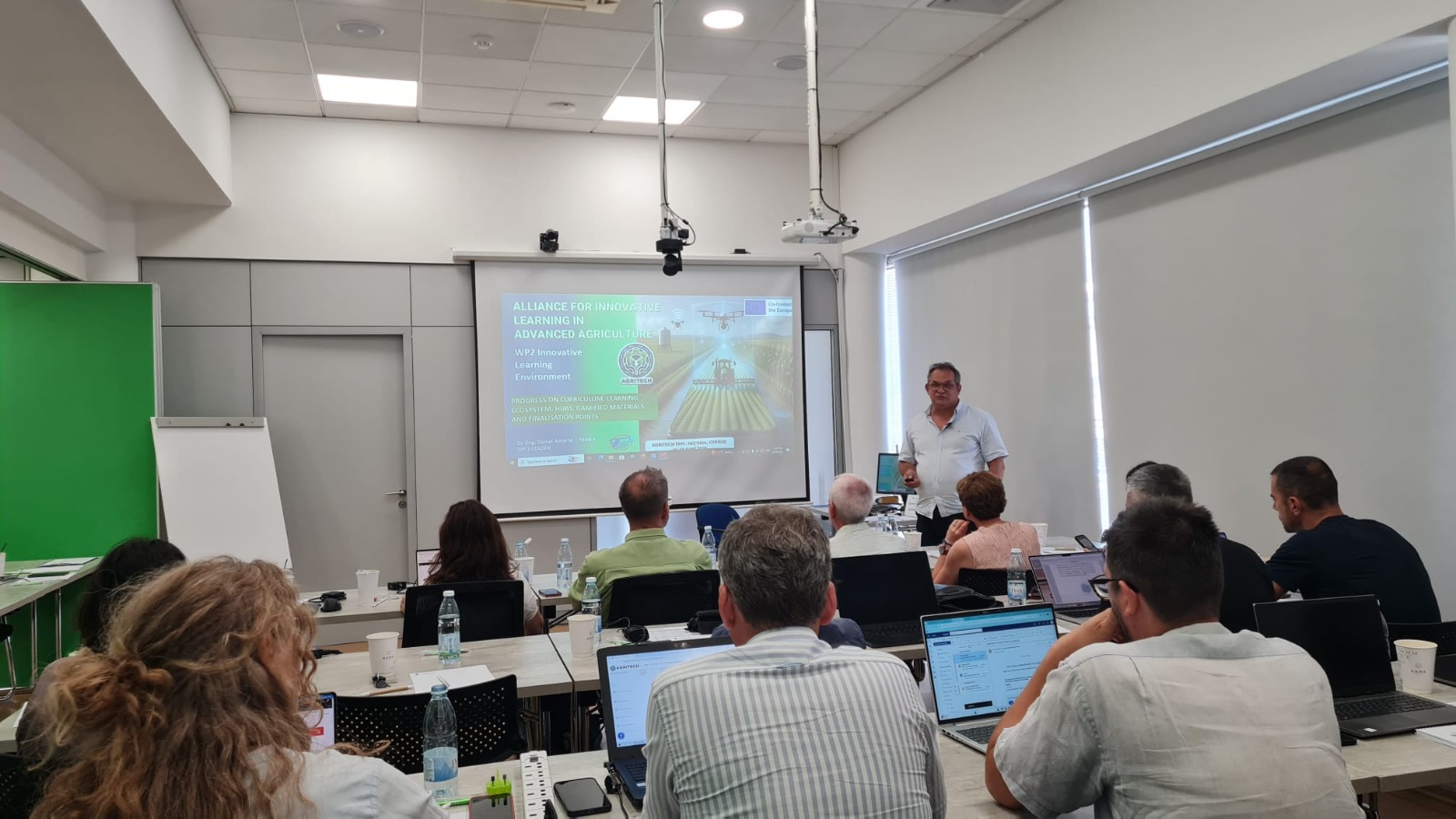
During the first day, the consortium reviewed project coordination, management and reporting issues, followed by a detailed session on WP2 – Innovative Learning Environment. This session addressed progress on the AgriTech Manager competence profile, the learning ecosystem, the curriculum, educational hubs, gamified materials, pending inputs, and finalisation points. The AGRITECH eLearning Platform was also presented, including its current functionalities, content structure and assessment elements. Partners then discussed the minimum technical and pedagogical requirements needed for piloting. The day concluded with an update on WP3 – Competences Validation and Recognition, including the certification framework, digital credentials, validation model and next deliverables.
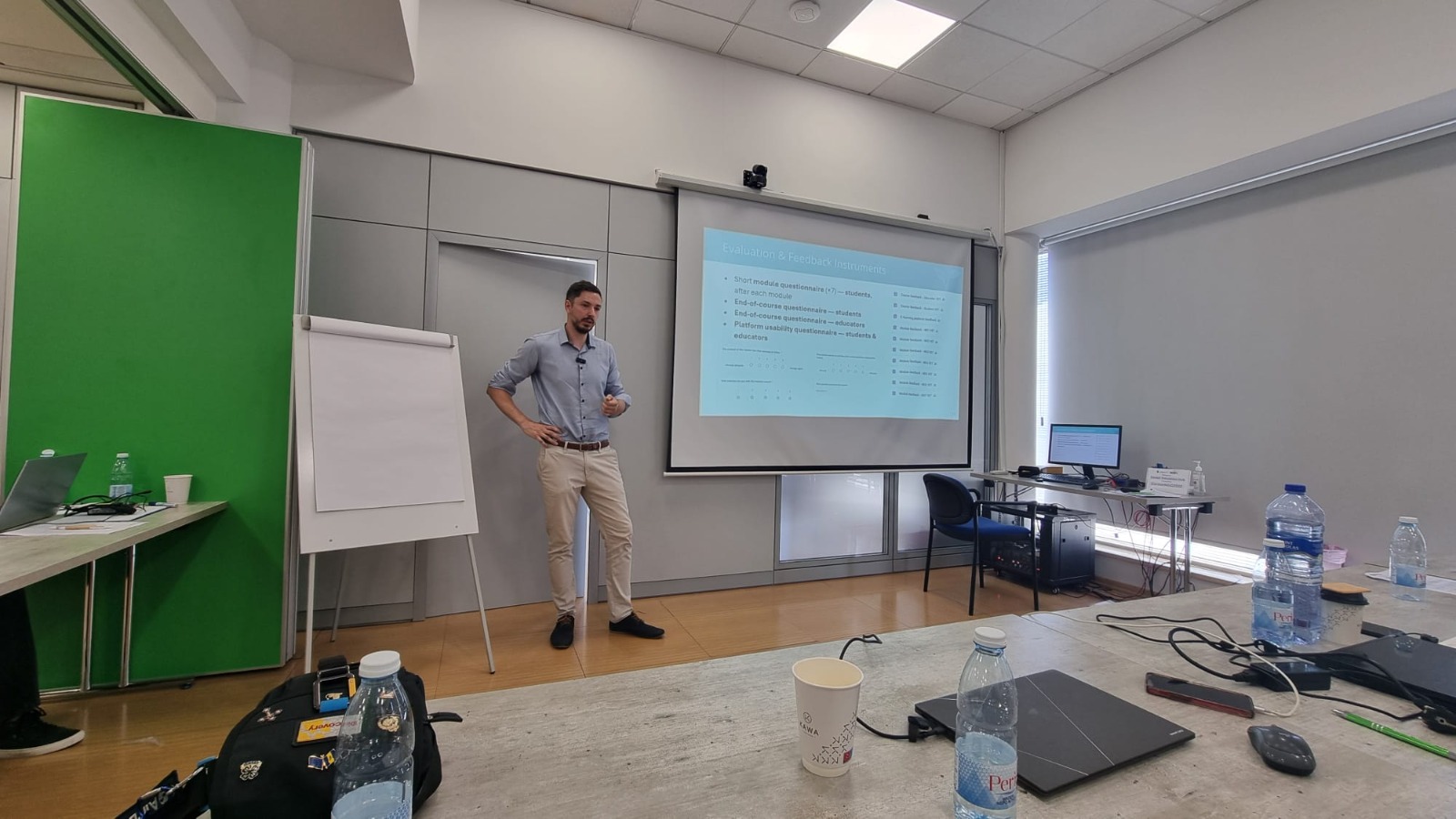
The second day focused on pilot implementation, policy uptake, communication, dissemination, quality assurance and coordination. WP4 discussions addressed pilot readiness, partner roles, pilot methodology, target groups, trainer needs, learner recruitment, timelines and support requirements. WP5 presented the future positioning of the AgriTech Manager profile and the policy-related work ahead. WP6 reviewed dissemination progress, visibility obligations, website and social media activity, newsletters, partner evidence gaps and upcoming communication actions. The quality assurance and monitoring session focused on internal evaluation, feedback loops, KPI tracking and evidence collection for the next reporting period.
A key conclusion of the meeting was that AGRITECH has moved from design and development into active implementation. The consortium has produced core project outputs, advanced the learning ecosystem, launched educational hubs, implemented MSc and VET pilot activities, and prepared the basis for certification and micro-credential recognition. At the same time, several important tasks remain open and require coordinated action: finalisation of pilot evidence, completion of capstone project submissions, evaluation of pilot results, preparation of remaining deliverables, completion of certification steps, and consolidation of documentation for the Interim Report.
The partners also discussed the need for stronger coordination and timely contribution from all organisations. AGRITECH is entering a phase where individual partner inputs directly affect common project results. Evidence collection, reporting data, pilot documentation, dissemination records, platform feedback and quality assurance materials must be provided on time and in a consistent format. Full partner involvement is essential to ensure that the planned results are achieved and that the project remains aligned with its objectives, timeline and reporting obligations.
The third day had an applicative format and focused on practical activity on the AGRITECH eLearning Platform. Partners explored the platform from an implementation perspective, with attention to learning content, user experience, pilot use and next steps for practical deployment. This hands-on session helped connect previous discussions on curriculum, piloting, assessment and digital delivery with the actual tools that learners and trainers will use.
The Cyprus TPM confirmed the importance of maintaining a clear, evidence-based workplan until the Interim Report. The next period will focus on completing pilot implementation, collecting and analysing feedback, finalising pending deliverables, preparing certification and micro-credential procedures, strengthening dissemination evidence, and ensuring that all work packages remain aligned.AGRITECH continues to build an innovative learning environment for advanced agriculture by connecting higher education, vocational education and training, enterprises, digital tools and sustainability-oriented competences. The Cyprus meeting marked an important coordination point in this process and set the direction for the next stage of implementation.